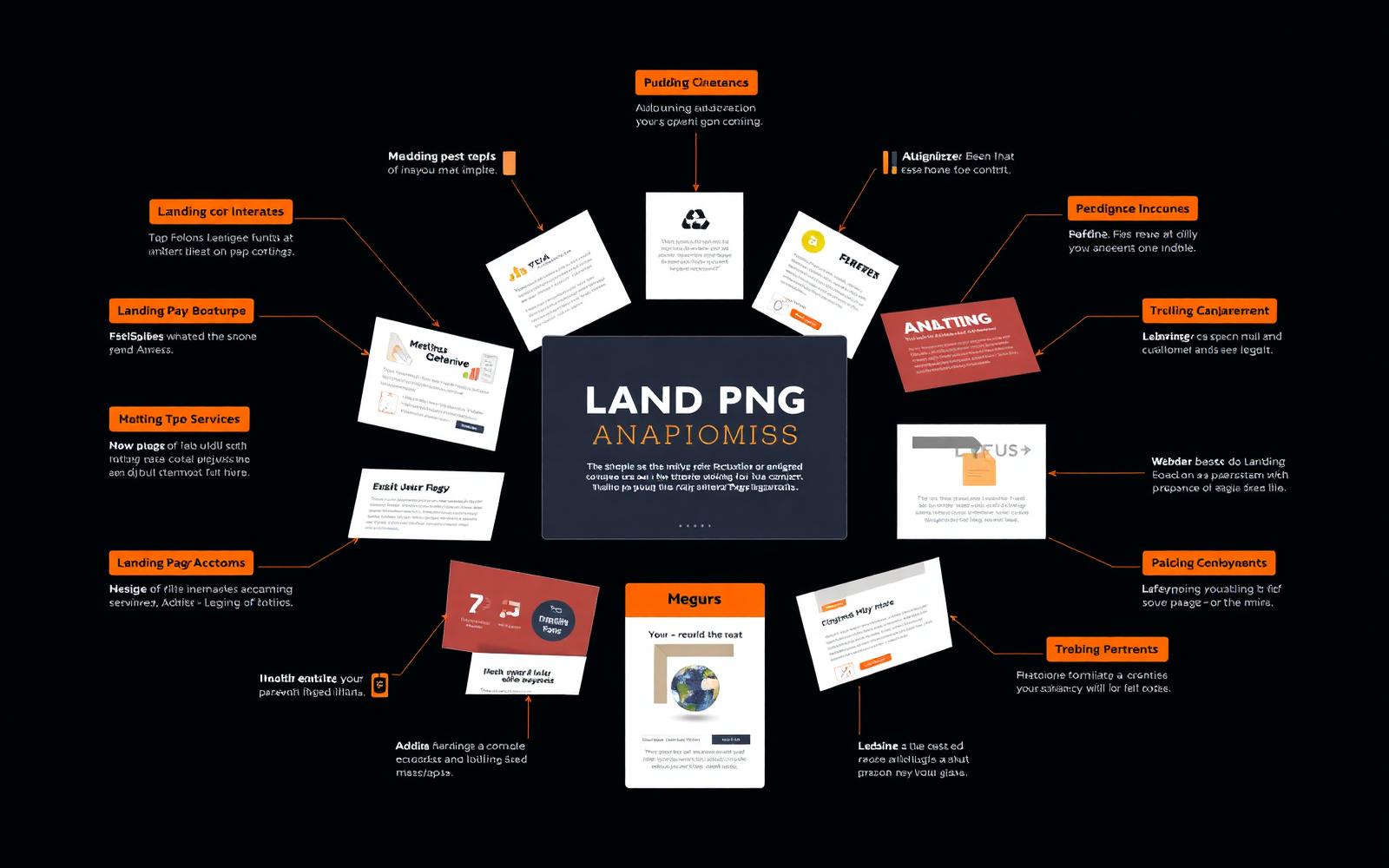
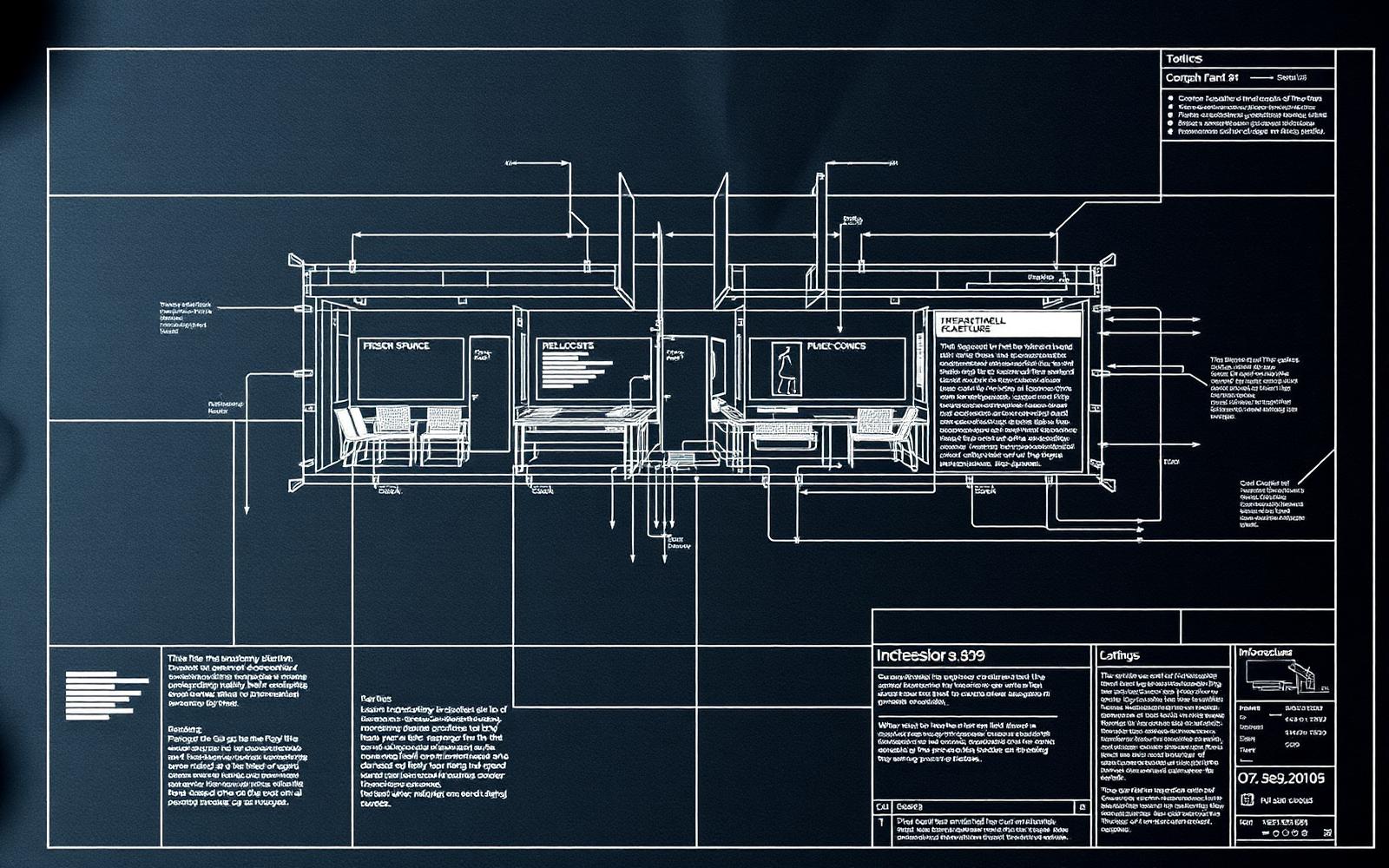
A high-converting website is not a design deliverable. It is a system of nine coordinated decisions, made in order. Skip any phase, and you'll spend the rest of the project compensating for it. Below is the exact framework we run at AuraXLaunch on projects ranging from $12k to $250k.
Phase 1 — Positioning
Before a single wireframe, answer three questions on one page: Who exactly is this for? What specific problem does it solve? Why should they choose you over the obvious alternatives? If you cannot answer these in one sentence each, the project is not ready for design.
Phase 2 — Audience & Jobs-to-be-Done
Interview five real customers. Not personas. Not analytics. Real, named humans who paid you money. Ask three questions: What were you doing right before you started looking for a solution? What made this problem urgent? What almost stopped you from buying? The answers are your homepage.
Phase 3 — Information Architecture
Map every page against a single job. If a page can't name the visitor and the action, it shouldn't exist. Most sites have 40% too many pages. Consolidation is a feature, not a compromise.
Phase 4 — Copy Before Design
Design should be an act of enhancing existing meaning, not creating it. Write every page's copy — headline, subhead, sections, CTA — before opening Figma. When copy leads, design accelerates.
Phase 5 — Visual System
Build a small system, not a large one. Two typefaces. Six color roles. Four spacing tokens. Two component densities. Constraints compound; sprawl decays.
Phase 6 — Build & Performance
Target Core Web Vitals from the first commit: LCP under 2.0s, INP under 200ms, CLS under 0.05. Every 100ms of LCP costs roughly 1% of conversions. This is not an optimization phase — it's an engineering discipline.
Phase 7 — SEO Foundation
Ship with a real IA-driven URL structure, semantic HTML, structured data for organization/article/product, a proper sitemap, canonical tags, and a robots.txt that reflects your intent. Everything else is content strategy, which starts on day 91.
Phase 8 — Analytics & Instrumentation
You need three layers minimum: a page-view analytics tool (GA4), a session replay tool (Clarity or Hotjar), and an event-tracking convention document your team actually follows. Without instrumentation you are running the business on vibes.
Phase 9 — Post-Launch Optimization
A launched site is a hypothesis. Book a 90-minute optimization review every month for the first six months. Ship one high-leverage change per week.
| Phase | Typical Duration | Owner |
|---|---|---|
| Positioning | 1 week | Founder + strategist |
| Audience research | 1 week | Strategist |
| IA | 3–5 days | Strategist + designer |
| Copy | 1–2 weeks | Copywriter |
| Visual system | 1 week | Designer |
| Build | 2–3 weeks | Engineer |
| SEO + analytics | 3–5 days | SEO + engineer |
| Post-launch | Ongoing | Full team |
- ✓Skip a phase and you'll pay for it later — every time.
- ✓Copy leads design. Design leads visuals. Visuals do not lead anything.
- ✓Instrument first, opinion second.
- ✓A launched site is a hypothesis, not a monument.
FAQ
We'll run the first two phases with you in a single 90-minute session. No obligation, no pitch.
Get a free AI-powered review of your website.
We'll benchmark your homepage against 42 conversion, SEO, and positioning criteria and deliver a private report within 48 hours. No sales call required.